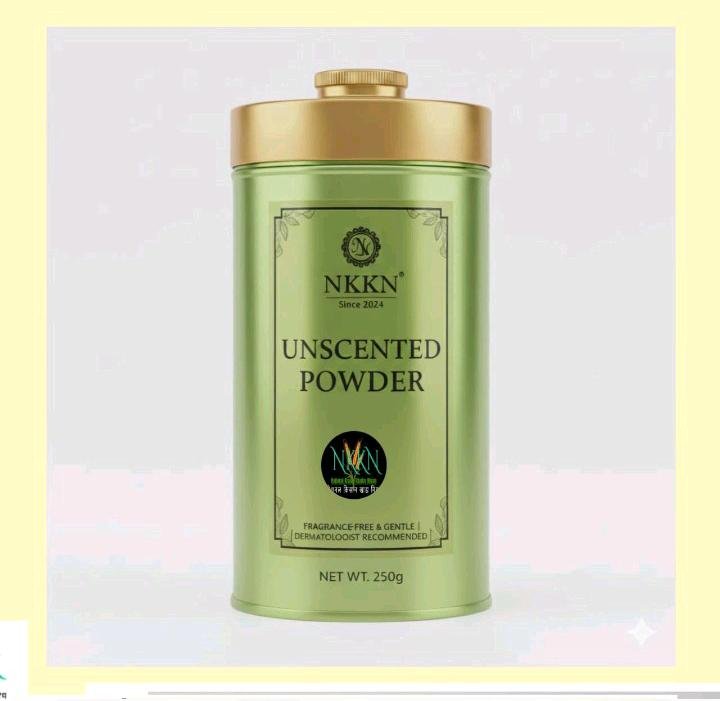
Unscented Powder Pure Freshness Without Fragrance by NKKN

NKKN Unscented Powder

Introduction

In a world filled with strong perfumes and heavily scented personal care products, many people are now shifting toward simpler, cleaner alternatives. One such product gaining popularity is unscented powder—a gentle, fragrance-free solution designed to keep your skin dry, comfortable, and irritation-free.

Whether you have sensitive skin, allergies to fragrances, or simply prefer a neutral personal care routine, unscented powder offers the perfect balance of effectiveness and simplicity.

NKKN Unscented Powder is crafted to provide superior moisture absorption without any added fragrance, making it ideal for daily use across all age groups. In this comprehensive guide, we’ll explore everything about unscented powder—its benefits, uses, ingredients, and why NKKN is your best choice.
NKKN Unscented Powder

What is Unscented Powder?

Unscented powder is a fine, lightweight powder that is specifically formulated without any added fragrance or perfumes. Unlike scented powders that mask odor with fragrance, unscented powders focus purely on moisture control and skin comfort.

NKKN Unscented Powder is designed to:

  • Absorb excess moisture
  • Reduce skin friction
  • Prevent irritation and rashes
  • Maintain natural skin balance

It is especially beneficial for individuals who are sensitive to artificial fragrances or who prefer a minimalist skincare approach.

Why Choose Unscented Powder?

Fragrances in personal care products may seem appealing, but they can sometimes cause irritation, allergies, or discomfort. Unscented powder eliminates these concerns.

1. Ideal for Sensitive Skin

Fragrance-free formulas reduce the risk of irritation, making them perfect for delicate skin.

2. Allergy-Friendly

Many people experience allergic reactions to perfumes. Unscented powder minimizes this risk.

3. Neutral and Non-Overpowering

It won’t clash with your perfume or natural scent.

4. Safe for Daily Use

Gentle enough to be used multiple times a day.

Key Benefits of NKKN Unscented Powder

1. Superior Moisture Absorption

NKKN powder effectively absorbs sweat, keeping your skin dry and comfortable.

2. Skin Protection

Forms a protective barrier that reduces friction and prevents chafing.

3. No Artificial Fragrance

Completely free from added scents, making it safe for all skin types.

4. Multi-Purpose Application

Can be used on various parts of the body.

5. Dermatologically Friendly

Formulated to be gentle and safe, even for sensitive skin.

6. Lightweight and Non-Greasy

Does not clog pores or feel heavy on the skin.

Common Uses of Unscented Powder

1. Daily Body Care

NKKN
National Kisaan Khadhaya Nigam

Apply after showering to maintain dryness throughout the day.

2. Baby Care

Safe for babies due to its gentle, fragrance-free formula.

3. Foot Care

Helps prevent foot odor and moisture buildup.

4. Underarm Use

Keeps underarms dry without interfering with perfumes.

5. Anti-Chafing Solution

Ideal for areas prone to friction, such as thighs.

NKKN Unscented Powder vs. Scented Powder

FeatureNKKN Unscented PowderScented Powder
FragranceNonePresent
Skin SensitivityVery Low RiskMay Irritate
SuitabilityAll Skin TypesLimited
Allergy RiskMinimalHigher
Daily UseHighly SafeDepends

NKKN Unscented Powder is clearly the better choice for those seeking simplicity and safety.

Key Ingredients in NKKN Unscented Powder

1. Cornstarch or Talc

Provides excellent moisture absorption.

2. Zinc Oxide

Helps soothe skin and offers antibacterial properties.

3. Kaolin Clay

Absorbs oil and keeps skin dry.

4. Natural Mineral Components

Enhance skin protection and comfort.

5. No Artificial Fragrance

Ensures a completely neutral experience.

How to Use NKKN Unscented Powder

Step 1: Clean Skin

Ensure the area is clean and dry.

Step 2: Apply Lightly

Sprinkle a small amount onto the skin.

Step 3: Spread Evenly

Gently apply for uniform coverage.

Step 4: Reapply if Needed

Use throughout the day for continuous freshness.

Who Should Use Unscented Powder?

People with Sensitive Skin

Avoid irritation caused by fragrances.

Babies and Children

Gentle enough for delicate skin.

Athletes and Active Individuals

Keeps sweat under control without strong scents.

Professionals

Perfect for workplaces where strong fragrances are not preferred.

Individuals with Allergies

Reduces the risk of allergic reactions.

Unscented Powder for Different Seasons

Summer

Controls sweat and prevents heat rashes.

Winter

Keeps skin dry under layers of clothing.

Monsoon

Prevents moisture buildup and fungal infections.

The Science Behind Unscented Powder

Sweat itself does not smell. Odor occurs when bacteria break down sweat. Unscented powder works by:

  • Absorbing moisture
  • Reducing bacterial growth
  • Keeping skin dry and balanced

NKKN Unscented Powder uses carefully selected ingredients to ensure effective performance without the need for fragrance.

Tips for Best Results

  • Apply after bathing
  • Use a small amount to avoid buildup
  • Store in a dry place
  • Use regularly for consistent results
  • Pair with a good hygiene routine

Safety and Precautions

  • Avoid inhaling powder
  • Do not apply on broken skin
  • Keep away from eyes
  • Store out of reach of children

Why NKKN is the Right Choice

Choosing NKKN Unscented Powder means choosing quality, safety, and reliability.

Trusted Brand

NKKN is committed to providing high-quality personal care products.

Skin-Friendly Formula

Carefully designed for maximum comfort and safety.

No Harsh Chemicals

Free from unnecessary additives.

Consistent Performance

Delivers reliable results every time.

Customer Experiences

Users of NKKN Unscented Powder appreciate:

  • Gentle and non-irritating formula
  • Long-lasting dryness
  • No overpowering fragrance
  • Suitable for daily use

Eco-Conscious and Minimalist Living

Unscented products align with a minimalist lifestyle by:

  • Reducing chemical exposure
  • Supporting natural skincare routines
  • Minimizing environmental impact

NKKN supports this approach with its clean and simple formulation.

Frequently Asked Questions (FAQs)

Is unscented powder completely odorless?

Yes, it has no added fragrance and maintains a neutral profile.

Can I use it every day?

Yes, NKKN Unscented Powder is safe for daily use.

Is it suitable for babies?

Yes, its gentle formula makes it ideal for baby care.

Does it prevent body odor?

Yes, by controlling moisture and bacteria.

The Growing Demand for Unscented Products

Modern consumers are becoming more conscious of what they apply to their skin. Unscented products are gaining popularity because they:

  • Reduce irritation
  • Offer a cleaner skincare approach
  • Provide effective results without unnecessary additives

NKKN is at the forefront of this shift, offering products that prioritize skin health.

Conclusion

Unscented powder is more than just a basic skincare product—it’s a smart, practical choice for maintaining hygiene without unnecessary additives. It offers all the benefits of moisture control and skin protection while eliminating the risks associated with fragrances.

NKKN Unscented Powder stands out as a reliable, gentle, and effective solution for anyone looking to keep their skin dry, comfortable, and irritation-free. Whether you have sensitive skin, allergies, or simply prefer a fragrance-free lifestyle, NKKN delivers exactly what you need.

Make the switch today and experience the simplicity of pure freshness with NKKN.
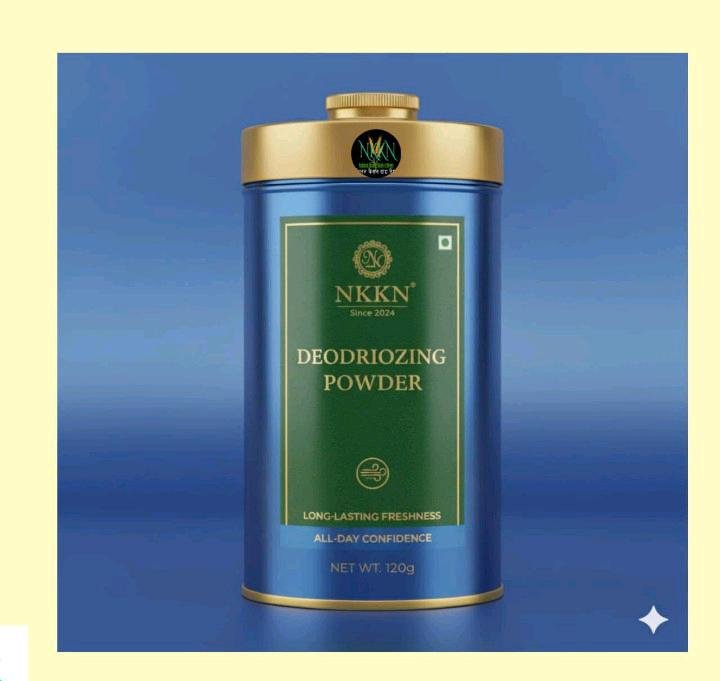
Deodorizing Powder The Ultimate Guide to Freshness with NKKN

NKKN Deodorizing Powder

Introduction

In today’s fast-paced world, staying fresh and confident throughout the day is more important than ever. Whether you’re working long hours, hitting the gym, traveling, or simply dealing with daily stress, body odor can become a major concern. That’s where deodorizing powder steps in as a simple yet powerful solution.

NKKN Deodorizing Powder is designed to provide long-lasting freshness, absorb moisture, and keep unpleasant odors at bay. Unlike sprays or roll-ons that may fade quickly, deodorizing powders work continuously to maintain dryness and comfort.

In this comprehensive guide, we’ll explore everything you need to know about deodorizing powder—from how it works to its benefits, uses, ingredients, and why NKKN stands out in the market.

What is Deodorizing Powder?

Deodorizing powder is a fine, lightweight powder formulated to absorb moisture and neutralize odor-causing bacteria. It is commonly used on areas of the body prone to sweating, such as underarms, feet, thighs, and back.

NKKN Deodorizing Powder

Unlike traditional deodorants that mask odors with fragrance, deodorizing powders focus on eliminating the root cause—moisture and bacteria.

NKKN Deodorizing Powder combines advanced odor-control technology with skin-friendly ingredients, making it suitable for daily use.

How Does Deodorizing Powder Work?

Understanding how deodorizing powder works can help you appreciate its effectiveness.

1. Moisture Absorption

Sweat itself is odorless, but when it interacts with bacteria, it produces odor. Deodorizing powder absorbs excess moisture, preventing bacterial growth.

2. Odor Neutralization

NKKN powder contains ingredients that neutralize odor molecules instead of just covering them up.

3. Skin Protection

It creates a protective layer on the skin, reducing friction and irritation, especially in sensitive areas.

Key Benefits of NKKN Deodorizing Powder

1. Long-Lasting Freshness

NKKN provides all-day freshness, ensuring you stay confident from morning to night.

2. Superior Moisture Control

It effectively absorbs sweat, keeping your skin dry and comfortable.

3. Gentle on Skin

Formulated with skin-safe ingredients, it is suitable for all skin types, including sensitive skin.

4. Multi-Purpose Use

You can use it on various parts of the body—underarms, feet, inner thighs, and more.

5. Prevents Skin Irritation

By reducing moisture and friction, it helps prevent rashes, chafing, and infections.

6. Pleasant Fragrance

NKKN deodorizing powder leaves a mild, refreshing scent that isn’t overpowering.

Common Uses of Deodorizing Powder

1. Underarm Freshness

Keeps underarms dry and odor-free throughout the day.

2. Foot Care

Prevents foot odor and fungal infections by keeping feet dry.

3. Thigh Chafing Prevention

Reduces friction between thighs, especially during hot weather.

4. Back and Chest

Helps manage sweat in areas prone to excessive perspiration.

5. Daily Hygiene Routine

Can be used after a shower to maintain all-day freshness.

Why Choose NKKN Deodorizing Powder?

With so many options available, choosing the right deodorizing powder can be confusing. Here’s why NKKN stands out:

High-Quality Ingredients

NKKN uses premium-grade ingredients that are safe and effective.

Advanced Formula

Designed to offer superior odor control and moisture absorption.

Skin-Friendly

Free from harsh chemicals, making it suitable for everyday use.

Trusted Brand

NKKN is known for delivering reliable and high-performance personal care products.

Key Ingredients in NKKN Deodorizing Powder

NKKN
National Kisaan Khadhaya Nigam

1. Talc or Cornstarch

Absorbs moisture and keeps skin dry.

2. Baking Soda

Neutralizes odor-causing bacteria.

3. Zinc Oxide

Provides antibacterial properties and soothes skin.

4. Essential Oils

Adds a natural fragrance and enhances freshness.

5. Natural Extracts

Help nourish and protect the skin.

How to Use Deodorizing Powder Effectively

To get the best results from NKKN Deodorizing Powder, follow these steps:

Step 1: Clean the Area

Ensure the skin is clean and dry before application.

Step 2: Apply a Small Amount

Sprinkle a small amount of powder onto the desired area.

Step 3: Spread Evenly

Gently spread it for even coverage.

Step 4: Use Daily

For best results, incorporate it into your daily hygiene routine.

Deodorizing Powder vs. Deodorant Sprays

FeatureDeodorizing PowderDeodorant Spray
Moisture ControlExcellentModerate
LongevityLong-lastingShorter duration
Skin SensitivityGentleMay irritate
ApplicationDryWet
Multi-useYesLimited

NKKN Deodorizing Powder clearly offers more versatility and long-lasting performance.

Who Should Use Deodorizing Powder?

Active Individuals

Perfect for gym-goers and athletes.

Office Professionals

Keeps you fresh during long working hours.

Travelers

Convenient and easy to carry.

People with Sweating Issues

Ideal for those who sweat excessively.

Tips for Maximum Effectiveness

  • Apply after showering for best results
  • Reapply during the day if needed
  • Use on clean and dry skin only
  • Store in a cool, dry place
  • Avoid excessive application

Safety and Precautions

While NKKN Deodorizing Powder is safe for daily use, keep these points in mind:

  • Avoid inhaling the powder
  • Do not apply on broken or irritated skin
  • Keep away from eyes
  • Store out of reach of children

The Science Behind Odor Control

Body odor occurs when sweat interacts with bacteria on the skin. Deodorizing powder works by:

  • Reducing moisture (bacteria need moisture to thrive)
  • Neutralizing odor compounds
  • Creating an unfavorable environment for bacteria

NKKN uses scientifically balanced ingredients to ensure effective odor control.

Seasonal Benefits of Deodorizing Powder

Summer

Prevents excessive sweating and keeps you cool.

Winter

Helps manage moisture under heavy clothing.

Monsoon

Protects against humidity-induced odor and infections.

Eco-Friendly and Skin-Friendly Approach

NKKN focuses on sustainability and safety by:

  • Using eco-conscious ingredients
  • Avoiding harmful chemicals
  • Ensuring cruelty-free production

Frequently Asked Questions (FAQs)

Is deodorizing powder safe for daily use?

Yes, NKKN Deodorizing Powder is designed for everyday use.

Can it replace deodorant sprays?

Absolutely. It offers longer-lasting freshness and better moisture control.

Is it suitable for sensitive skin?

Yes, its gentle formula is safe for sensitive skin.

Can I use it on my feet?

Yes, it is highly effective for foot odor control.

Customer Experience with NKKN

Users of NKKN Deodorizing Powder often report:

  • Noticeable reduction in body odor
  • Long-lasting dryness
  • Improved comfort during hot weather
  • Reduced skin irritation

Conclusion

Deodorizing powder is a simple yet powerful addition to your daily hygiene routine. It not only keeps you fresh but also protects your skin from irritation and infections.

NKKN Deodorizing Powder stands out as a reliable and effective solution for anyone looking to stay confident and odor-free throughout the day. With its advanced formula, skin-friendly ingredients, and long-lasting performance, it is the perfect choice for modern lifestyles.

If you’re tired of dealing with sweat and odor, it’s time to make the switch. Experience the difference with NKKN and enjoy freshness like never before.

Baby Powder A Complete Guide by NKKN

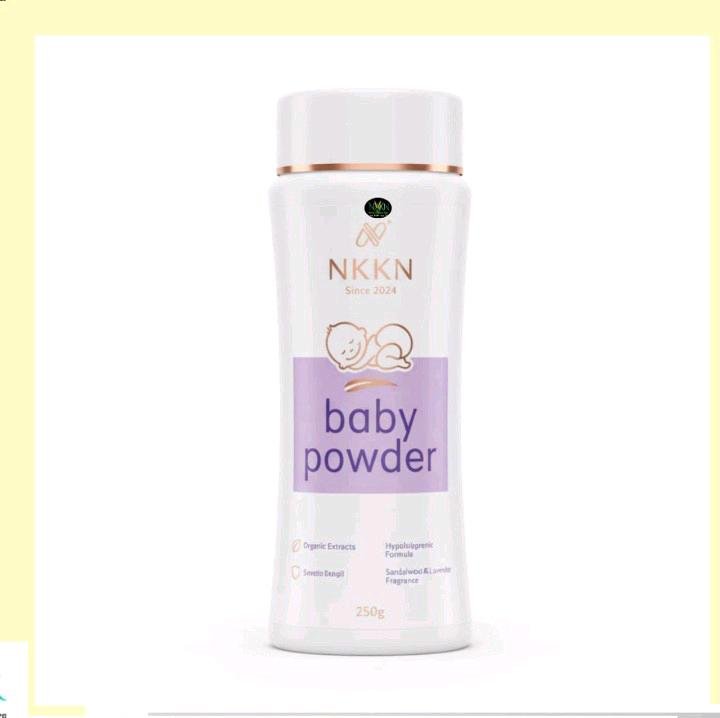
NKKN baby powder

Introduction

Baby powder is one of the most trusted and widely used personal care products, known for its gentle touch and soothing properties. Traditionally associated with infant care, baby powder has evolved into a versatile product used by people of all ages for hygiene, skincare, and comfort.

At NKKN, we are committed to offering high-quality baby powder products that are safe, effective, and suitable for delicate skin. In this comprehensive guide, we will explore everything about baby powder—its composition, benefits, uses, safety considerations, and why NKKN stands out as a trusted brand.

What is Baby Powder?

Baby powder is a finely milled powder designed to absorb moisture, reduce friction, and keep skin dry and comfortable. It is primarily used to prevent diaper rash in babies but is also widely used for personal hygiene and skincare.

NKKN baby powder
NKKN baby powder

Modern baby powders are typically made from:

  • Talc (magnesium silicate)
  • Cornstarch (plant-based alternative)
  • Fragrance (optional)
  • Skin-soothing additives

NKKN ensures that its baby powder formulations are crafted with care to meet safety and quality standards.

Types of Baby Powder

Baby powder is available in different types based on its ingredients and formulation.

1. Talc-Based Baby Powder

Made from natural talc, this type is highly effective in absorbing moisture and reducing friction.

2. Cornstarch-Based Baby Powder

A safer, plant-based alternative that is widely preferred due to growing safety awareness.

3. Herbal Baby Powder

Infused with natural ingredients like aloe vera, neem, or chamomile for added skin benefits.

4. Medicated Baby Powder

Designed to treat specific skin conditions such as rashes or infections.

NKKN offers a range of baby powders tailored to different skin needs.

Key Ingredients in Baby Powder

Understanding the ingredients helps in choosing the right product.

Talc

  • Natural mineral
  • Excellent moisture absorber
  • Provides smooth texture

Cornstarch

  • Derived from corn
  • Gentle on skin
  • Safe alternative to talc

Zinc Oxide

  • Protects skin
  • Helps prevent rashes

Fragrance

  • Adds a pleasant scent
  • Should be mild for sensitive skin

NKKN prioritizes safe and skin-friendly ingredients in its baby powder products.

Benefits of Baby Powder

1. Moisture Absorption

Baby powder keeps skin dry by absorbing excess moisture, reducing the risk of rashes.

2. Prevents Diaper Rash

Creates a protective barrier that minimizes irritation.

3. Reduces Friction

Prevents chafing in areas like thighs and underarms.

4. Soothes Skin

Provides a cooling and calming effect on irritated skin.

5. Multipurpose Use

Can be used for adults as well for hygiene and comfort.

NKKN baby powder is designed to deliver these benefits with maximum safety.

Uses of Baby Powder

Baby powder is not limited to infant care; it has multiple uses.

For Babies:

  • Preventing diaper rash
  • Keeping skin dry
  • Reducing irritation

For Adults:

  • Underarm freshness
  • Foot odor control
  • Dry shampoo alternative
  • Preventing chafing

Household Uses:

  • Removing sand from skin
  • Freshening shoes
  • Untangling jewelry

NKKN baby powder is versatile enough for everyday use.

How to Use Baby Powder Safely

Proper usage is essential, especially for babies.

Steps:

  1. Take a small amount in your hand
  2. Apply gently on dry skin
  3. Avoid direct shaking near the baby’s face
  4. Keep away from nose and mouth

Safety Tips:

  • Use in a well-ventilated area
  • Avoid inhalation
  • Use minimal quantity
NKKN
National Kisaan Khadhaya Nigam

NKKN emphasizes safe usage practices for all its products.

Baby Powder and Skin Health

Baby powder plays a role in maintaining skin hygiene.

For Sensitive Skin:

  • Choose fragrance-free options
  • Prefer cornstarch-based powders

For Oily Skin:

  • Helps control moisture
  • Keeps skin fresh

For Dry Skin:

  • Use in limited quantity
  • Combine with moisturizers

NKKN formulations are designed to suit different skin types.

Safety Concerns and Myths

Baby powder has been surrounded by various concerns, especially regarding talc.

Talc Safety

Modern cosmetic-grade talc is purified and regulated. However, many consumers prefer talc-free options for peace of mind.

Inhalation Risk

Powder particles can be harmful if inhaled, especially for infants.

Myths:

  • “All baby powders are harmful” – False when used correctly
  • “Natural powders are always safer” – Depends on formulation

NKKN ensures strict quality control and safe ingredient sourcing.

Baby Powder vs Other Skincare Products

Baby Powder vs Creams

  • Powder absorbs moisture
  • Creams provide hydration

Baby Powder vs Oils

  • Powder keeps skin dry
  • Oils moisturize and nourish

Baby Powder vs Deodorants

  • Powder controls sweat naturally
  • Deodorants mask odor

Each product serves a different purpose; NKKN offers balanced solutions.

Baby Powder in Daily Life

Baby powder is a practical addition to everyday routines.

Morning Routine:

  • Keeps skin fresh and dry

After Bath:

  • Prevents moisture buildup

Travel:

  • Handy for hygiene on the go

NKKN baby powder fits seamlessly into modern lifestyles.

Choosing the Right Baby Powder

When selecting a baby powder, consider:

  • Skin type
  • Ingredients
  • Fragrance level
  • Brand reputation

NKKN provides reliable options that meet these criteria.

Storage and Shelf Life

Storage Tips:

  • Keep in a cool, dry place
  • Close the lid tightly
  • Avoid moisture exposure

Shelf Life:

Baby powder typically lasts long if stored properly.

NKKN ensures packaging that preserves product quality.

Environmental and Ethical Considerations

Modern consumers are more conscious about sustainability.

Eco-Friendly Packaging

Reducing plastic use and promoting recyclable materials.

Natural Ingredients

Preference for plant-based formulations.

Ethical Testing

Avoiding harmful testing practices.

NKKN is committed to responsible manufacturing.

Why Choose NKKN Baby Powder?

1. Premium Quality

Carefully selected ingredients for safety and effectiveness.

2. Skin-Friendly Formulation

Suitable for delicate and sensitive skin.

3. Trusted Brand

NKKN stands for reliability and customer satisfaction.

4. Versatility

Ideal for both babies and adults.

Tips for Parents

  • Always test on a small skin area first
  • Use minimal quantity
  • Keep powder away from baby’s face
  • Store out of children’s reach

NKKN supports safe parenting practices.

Future Trends in Baby Powder

The baby care industry is evolving with:

  • Talc-free products
  • Organic formulations
  • Dermatologically tested solutions
  • Eco-friendly packaging

NKKN continues to innovate to meet these trends.

Conclusion

Baby powder remains a timeless product in personal care, offering comfort, hygiene, and protection for both babies and adults. When used correctly, it helps prevent rashes, keeps skin dry, and enhances overall well-being.

Choosing the right baby powder is essential for safety and effectiveness. NKKN is dedicated to providing high-quality baby powder that meets modern standards while ensuring gentle care for delicate skin.

Whether for infant care or daily hygiene, NKKN baby powder is a reliable choice for softness, freshness, and protection.

FAQs

1. Is baby powder safe for newborns?

Yes, when used carefully and in small amounts.

2. Can adults use baby powder?

Absolutely, it is widely used for hygiene and comfort.

3. Is talc-free baby powder better?

Many prefer it for safety, especially for babies.

4. How often should baby powder be used?

As needed, especially after bathing or diaper changes.

5. Why choose NKKN baby powder?

For its quality, safety, and trusted performance.

NKKN – Gentle Care You Can Trust

Fruit Sugar A Complete Guide by NKKN

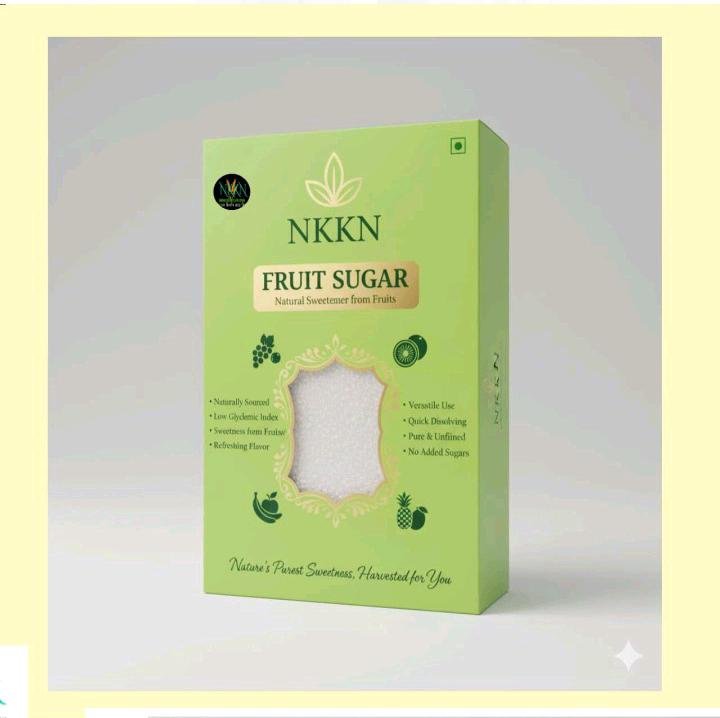
NKKN Fruit Sugar

Introduction

Fruit sugar, commonly known as fructose, is a naturally occurring sugar found in fruits, vegetables, and honey. It is one of the sweetest naturally available sugars and plays an important role in human nutrition and food industries. Unlike refined sugars, fruit sugar comes packed with essential nutrients, fiber, and antioxidants when consumed in its natural form.

At NKKN, we focus on delivering high-quality sugar solutions while promoting awareness about natural alternatives like fruit sugar. In this detailed guide, you will learn everything about fruit sugar—its composition, sources, benefits, uses, and how it compares with other types of sugar.

What is Fruit Sugar?

Fruit sugar refers to fructose, a type of simple sugar (monosaccharide) naturally found in fruits. It is one of the three main dietary sugars, alongside glucose and sucrose.

Fructose is unique because:

NKKN Fruit Sugar
NKKN Fruit Sugar
  • It is sweeter than regular table sugar (sucrose)
  • It is absorbed differently in the body
  • It has a low glycemic index compared to glucose

When fruits are consumed whole, fructose is accompanied by fiber, vitamins, and minerals, making it a healthier option compared to processed sugars.

Chemical Composition of Fruit Sugar

Fructose has the chemical formula C₆H₁₂O₆, the same as glucose, but with a different structure. This structural difference gives fructose its distinctive sweetness and metabolic pathway.

Key properties:

  • Highly soluble in water
  • Sweeter than sucrose
  • Naturally occurring monosaccharide

In the body, fructose is primarily metabolized in the liver.

Natural Sources of Fruit Sugar

Fruit sugar is widely distributed in nature. Some of the richest sources include:

Fruits

  • Apples
  • Mangoes
  • Bananas
  • Grapes
  • Watermelon
  • Pineapple

Other Natural Sources

  • Honey
  • Root vegetables (like carrots and sweet potatoes)
  • Some grains

NKKN encourages the consumption of natural fruit-based sugars as part of a balanced diet.

Fruit Sugar vs Regular Sugar

Understanding the difference between fruit sugar and regular sugar is important.

Fruit Sugar (Fructose)

  • Found naturally in fruits
  • Sweeter than sucrose
  • Lower glycemic index
  • Comes with nutrients when consumed as whole fruit

Regular Sugar (Sucrose)

  • Made of glucose + fructose
  • Processed and refined
  • Higher glycemic impact
  • Lacks additional nutrients

While both provide energy, fruit sugar in natural form is generally considered healthier.

Nutritional Value of Fruit Sugar

When consumed through whole fruits, fruit sugar provides more than just sweetness.

Nutritional Benefits:

  • Vitamins (Vitamin C, Vitamin A)
  • Minerals (Potassium, Magnesium)
  • Dietary fiber
  • Antioxidants

However, pure fructose (isolated form) provides calories without these additional nutrients.

Benefits of Fruit Sugar

1. Natural Sweetness

Fructose is one of the sweetest natural sugars, allowing less quantity to achieve the same sweetness.

2. Energy Source

Provides quick energy for the body, especially useful for active individuals.

3. Low Glycemic Impact

Does not spike blood sugar levels as rapidly as glucose.

4. Rich in Nutrients (in whole fruits)

When consumed as fruits, it supports overall health.

5. Supports Digestion

Fiber in fruits helps improve digestion.

NKKN promotes mindful consumption of natural sugars for better health.

NKKN
National Kisaan Khadhaya Nigam

Health Considerations

While fruit sugar is natural, excessive intake—especially in processed form—can have negative effects.

1. Liver Load

High fructose intake can put stress on the liver.

2. Weight Gain

Excess calories from fructose may contribute to obesity.

3. Metabolic Issues

Overconsumption is linked to insulin resistance and fatty liver.

Important Note:

Whole fruits are healthy, but excessive intake of processed fructose (like syrups) should be avoided.

Fruit Sugar in Processed Foods

Fruit sugar is often used in processed forms such as:

  • High-fructose corn syrup (HFCS)
  • Fruit concentrates
  • Sweetened beverages
  • Packaged snacks

These forms lack fiber and nutrients, making them less healthy than whole fruits.

NKKN focuses on quality and transparency in sugar sourcing and usage.

Role of Fruit Sugar in Diet

Fruit sugar can be part of a healthy diet when consumed properly.

Best Practices:

  • Prefer whole fruits over juices
  • Avoid excessive processed foods
  • Balance sugar intake with protein and fiber
  • Maintain portion control

Fruit Sugar in Fitness and Lifestyle

For Athletes:

  • Quick energy source
  • Helps replenish glycogen stores

For Weight Management:

  • Natural fruits can help satisfy sweet cravings
  • Low glycemic impact supports steady energy levels

For Daily Life:

  • Ideal for natural sweetness in meals and snacks

Fruit Sugar in Food Industry

Fructose is widely used in the food industry due to its sweetness and solubility.

Applications:

  • Soft drinks
  • Bakery products
  • Confectionery
  • Dairy products
  • Sauces and dressings

NKKN ensures that its sugar products meet high industry standards.

Fruit Sugar vs Artificial Sweeteners

Fruit Sugar

  • Natural
  • Provides calories
  • Contains nutrients (in whole fruits)

Artificial Sweeteners

  • Synthetic or highly processed
  • Zero or low calories
  • No nutritional value

Natural fruit sugar is often preferred for a healthier lifestyle.

Fruit Sugar in Cooking and Baking

Fruit sugar can enhance flavor and texture in cooking.

Uses:

  • Sweetening desserts
  • Adding flavor to smoothies
  • Baking cakes and muffins
  • Making jams and preserves

However, due to its high sweetness, it should be used in controlled quantities.

Storage and Handling

Whole Fruits:

  • Store in cool, dry places or refrigerators
  • Consume fresh for maximum nutrition

Processed Fruit Sugar:

  • Keep in airtight containers
  • Avoid moisture exposure

Proper storage helps maintain quality and taste.

Myths About Fruit Sugar

Myth 1: All Sugar is Bad

Truth: Natural sugars in fruits are beneficial when consumed in moderation.

Myth 2: Fruit Sugar Causes Diabetes

Truth: Whole fruits do not cause diabetes; excessive processed sugar does.

Myth 3: Fruit Juice is as Healthy as Whole Fruit

Truth: Juice lacks fiber and may contain concentrated sugar.

Sustainability and Natural Sugar Sources

Sustainable farming practices are essential for maintaining natural sugar sources.

Key Focus Areas:

  • Organic farming
  • Reduced chemical use
  • Efficient water management

NKKN supports responsible sourcing and sustainable practices.

Why Choose NKKN?

1. Quality Assurance

High standards in sugar production and sourcing.

2. Trusted Brand

Known for reliability and consistency.

3. Versatile Products

Suitable for both household and industrial use.

4. Customer Focus

Committed to health and quality.

Tips for Healthy Sugar Consumption

  • Choose natural sources like fruits
  • Limit processed sugars
  • Read food labels carefully
  • Maintain a balanced diet
  • Stay physically active

Future of Natural Sugars

The demand for natural and healthier sugar alternatives is growing.

Trends:

  • Increased use of fruit-based sweeteners
  • Organic food demand
  • Health-conscious consumers

NKKN continues to innovate in line with these trends.

Conclusion

Fruit sugar, or fructose, is a natural and essential part of our diet. When consumed through whole fruits, it offers numerous health benefits, including vitamins, minerals, and antioxidants. However, like all sugars, it should be consumed in moderation.

Understanding the difference between natural and processed forms of fruit sugar is key to making healthier choices. NKKN is committed to providing high-quality sugar products while promoting awareness about balanced consumption.

Incorporating natural fruit sugar into your diet can help you enjoy sweetness without compromising your health.

FAQs

1. What is fruit sugar?

Fruit sugar is fructose, a natural sugar found in fruits.

2. Is fruit sugar healthy?

Yes, when consumed as part of whole fruits.

3. Can fruit sugar replace regular sugar?

It can be used as a natural alternative in many cases.

4. Is fruit sugar good for diabetics?

Whole fruits can be consumed in moderation, but medical advice is recommended.

5. Why choose NKKN?

NKKN provides high-quality, reliable, and trusted sugar products.

Sucrose Sugar A Complete Guide by NKKN

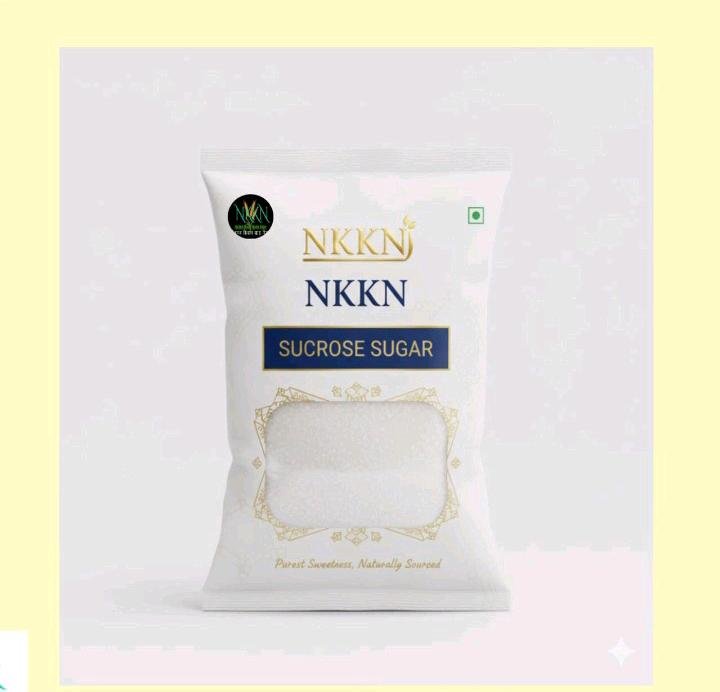
Sucrose Sugar

Introduction

Sucrose sugar is one of the most commonly used sweeteners in the world. Found naturally in plants and widely extracted for commercial use, it plays a central role in our daily diets. Whether it’s the sweetness in your morning tea, the texture in baked goods, or the preservation of jams, sucrose sugar is everywhere.

At NKKN, we believe in delivering high-quality sugar products that meet modern culinary and industrial needs. This comprehensive guide explores everything you need to know about sucrose sugar—its structure, sources, production, uses, benefits, and potential health considerations.

What is Sucrose Sugar?

Sucrose is a type of carbohydrate known as a disaccharide. It is composed of two simpler sugars: glucose and fructose. These two molecules are chemically bonded together, forming a compound that is both stable and sweet.

NKKN Sucrose Sugar
NKKN Sucrose Sugar

Sucrose occurs naturally in many plants, especially in sugarcane and sugar beet. It is extracted, refined, and crystallized to produce the sugar we commonly use in households and industries.

Chemical Structure of Sucrose

Sucrose has the molecular formula C₁₂H₂₂O₁₁. It consists of one glucose molecule and one fructose molecule linked via a glycosidic bond.

This unique structure gives sucrose its distinct properties:

  • Sweet taste
  • High solubility in water
  • Stability under normal storage conditions

When consumed, sucrose is broken down into glucose and fructose by enzymes in the digestive system.

Natural Sources of Sucrose

Sucrose is naturally found in a variety of plants, including:

  • Sugarcane
  • Sugar beet
  • Fruits like mangoes, pineapples, and bananas
  • Vegetables such as carrots and sweet potatoes

Among these, sugarcane and sugar beet are the primary commercial sources of sucrose sugar used by brands like NKKN.

Production Process of Sucrose Sugar

The production of sucrose sugar involves several steps to ensure purity and quality.

1. Harvesting

Sugarcane or sugar beet is harvested from farms and transported to processing units.

2. Extraction

The juice is extracted by crushing the plant material.

3. Clarification

Impurities are removed using heat and chemicals like lime.

4. Evaporation

The juice is heated to remove water, resulting in a thick syrup.

5. Crystallization

The syrup is further processed to form sugar crystals.

6. Refining

The crystals are cleaned and refined to produce white sugar.

NKKN ensures strict quality control at every stage to deliver premium sucrose sugar.

Types of Sucrose Sugar

Sucrose sugar is available in different forms based on processing and granule size:

1. Granulated Sugar

The most common form used in households.

2. Powdered Sugar

Finely ground sugar used in baking and icing.

3. Brown Sugar

Contains molasses, giving it a rich flavor and color.

4. Raw Sugar

Less refined and contains natural impurities.

NKKN offers a variety of sucrose sugar types tailored for different uses.

Uses of Sucrose Sugar

Sucrose sugar is incredibly versatile and widely used across industries.

NKKN
National Kisaan Khadhaya Nigam

1. Food and Beverages

  • Sweetening tea, coffee, and juices
  • Baking cakes, cookies, and pastries
  • Making candies and chocolates

2. Food Preservation

Sucrose helps preserve jams, jellies, and pickles by reducing water activity.

3. Pharmaceutical Industry

Used in syrups and medicines to improve taste.

4. Cosmetics

Acts as an exfoliating agent in scrubs and skincare products.

5. Fermentation

Used in brewing and alcohol production.

NKKN sucrose sugar is trusted across these applications for its purity and consistency.

Nutritional Value of Sucrose Sugar

Sucrose provides energy in the form of calories. Each gram of sucrose contains approximately 4 calories.

Nutritional Highlights:

  • No fat
  • No protein
  • No fiber
  • Pure carbohydrate

While it is an excellent energy source, it should be consumed in moderation.

Benefits of Sucrose Sugar

1. Instant Energy

Sucrose is quickly broken down into glucose and fructose, providing immediate energy.

2. Enhances Flavor

It improves the taste of food and beverages.

3. Improves Texture

Essential in baking for structure and moisture retention.

4. Preservative Properties

Helps extend shelf life of food products.

5. Versatility

Can be used in countless culinary and industrial applications.

NKKN ensures that its sucrose sugar delivers these benefits with premium quality.

Health Considerations

While sucrose sugar has many benefits, excessive consumption can lead to health issues.

1. Weight Gain

High calorie intake can contribute to obesity.

2. Tooth Decay

Sugar promotes the growth of bacteria that cause cavities.

3. Blood Sugar Levels

Excess intake may affect blood glucose levels.

4. Risk of Chronic Diseases

Overconsumption is linked to conditions like diabetes and heart disease.

Recommended Intake

Health experts suggest limiting added sugar intake to maintain a balanced diet.

Sucrose vs Other Sugars

Sucrose vs Glucose

  • Sucrose is a combination of glucose and fructose
  • Glucose is a simple sugar

Sucrose vs Fructose

  • Fructose is sweeter than sucrose
  • Found naturally in fruits

Sucrose vs High-Fructose Corn Syrup

  • HFCS is processed differently
  • Often used in soft drinks

NKKN focuses on delivering pure sucrose sugar without unnecessary additives.

Role of Sucrose in Baking

Sucrose plays a critical role in baking:

  • Adds sweetness
  • Helps in browning (caramelization)
  • Improves texture
  • Retains moisture

Without sucrose, many baked goods would lack structure and flavor.

Industrial Applications

Sucrose sugar is widely used in industries:

1. Food Processing

Used in sauces, syrups, and processed foods.

2. Confectionery

Essential for candies and chocolates.

3. Beverage Industry

Used in soft drinks and energy drinks.

4. Pharmaceuticals

Improves taste of medicines.

NKKN supplies high-grade sucrose sugar for industrial needs.

Storage and Shelf Life

Proper storage is essential to maintain the quality of sucrose sugar.

Storage Tips:

  • Keep in a dry place
  • Store in airtight containers
  • Avoid moisture exposure

Shelf Life:

Sucrose sugar has a long shelf life if stored properly.

Sustainability and Sucrose Production

Modern sugar production is focusing on sustainability:

  • Efficient water usage
  • Reduced carbon emissions
  • Waste recycling

NKKN is committed to environmentally responsible practices in sugar production.

Why Choose NKKN Sucrose Sugar?

1. High Purity

Refined to meet strict quality standards.

2. Consistent Quality

Uniform crystals and taste.

3. Versatility

Suitable for household and industrial use.

4. Trusted Brand

NKKN stands for reliability and excellence.

Tips for Using Sucrose Sugar

  • Measure accurately for baking
  • Dissolve properly in liquids
  • Store in dry conditions
  • Use in moderation for health

Common Myths About Sucrose Sugar

Myth 1: Sugar is Completely Bad

Truth: It is safe in moderation.

Myth 2: Brown Sugar is Healthier

Truth: Nutritional difference is minimal.

Myth 3: Sugar Causes Diabetes Directly

Truth: Excess consumption contributes, but not the sole cause.

Future of Sucrose Sugar

The sugar industry is evolving with:

  • Organic sugar production
  • Health-conscious alternatives
  • Sustainable farming practices

NKKN is continuously innovating to meet future demands.

Conclusion

Sucrose sugar is an essential part of our daily lives. From sweetening beverages to enhancing baked goods, its importance cannot be overstated. While it provides energy and improves taste, it is important to consume it responsibly.

NKKN is dedicated to providing high-quality sucrose sugar that meets both consumer and industrial needs. With a focus on purity, consistency, and sustainability, NKKN continues to be a trusted name in the sugar industry.

Whether you are a home cook, baker, or manufacturer, sucrose sugar from NKKN ensures the perfect balance of quality and performance.

FAQs

1. What is sucrose sugar made of?

Sucrose is made of glucose and fructose.

2. Is sucrose natural?

Yes, it occurs naturally in plants.

3. Can sucrose be used in baking?

Absolutely, it is essential for baking.

4. Is sucrose healthy?

It is safe when consumed in moderation.

5. Why choose NKKN sugar?

NKKN offers high-quality, pure, and reliable sucrose sugar.

NKKN – Sweetness You Can Trust

Demerara Sugar The Golden Crystal of Natural Sweetness NKKN

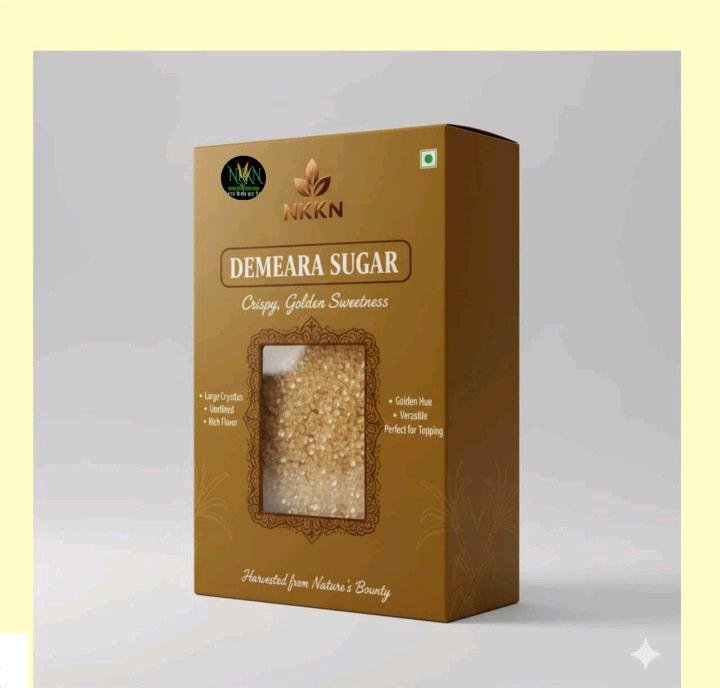
Demerara Sugar

Introduction

In the world of natural sweeteners, Demerara sugar holds a special place for its rich flavor, golden hue, and minimal processing. Known for its large, crunchy crystals and subtle molasses taste, Demerara sugar is widely appreciated by chefs, bakers, and health-conscious consumers alike.

At NKKN, we take pride in delivering premium-quality Demerara sugar that preserves its natural essence while meeting the highest standards of purity and taste. Whether you are sweetening your morning coffee or enhancing a gourmet dessert, NKKN Demerara sugar brings authenticity and depth to every bite.

This comprehensive guide explores everything about Demerara sugar—its origin, production, benefits, uses, and why NKKN is your trusted choice.

What is Demerara Sugar?

Demerara sugar is a type of partially refined cane sugar known for its light brown color and coarse texture. Unlike white sugar, it retains a small amount of natural molasses, giving it a mild caramel flavor.

The name Demerara originates from the Demerara region in Guyana, where this sugar was first produced. Today, it is manufactured in various sugar-producing countries using advanced yet minimal processing techniques.

NKKN Demerara sugar
NKKN Demerara sugar

Characteristics of Demerara Sugar

Demerara sugar is easily distinguishable due to its unique properties:

  • Golden Brown Color: Due to the presence of molasses
  • Large Crystals: Crunchy and coarse texture
  • Mild Caramel Flavor: Subtle and not overpowering
  • Natural Appearance: Less processed than white sugar

At NKKN, we ensure that these characteristics are preserved in every batch, offering consistency and premium quality.

How Demerara Sugar is Made

The production of Demerara sugar involves fewer refining steps compared to white sugar, helping retain its natural qualities.

1. Sugarcane Harvesting

Fresh sugarcane is harvested and transported to the processing facility.

2. Juice Extraction

The sugarcane is crushed to extract juice rich in natural sugars.

3. Clarification

Impurities are removed while retaining some molasses content.

4. Evaporation

The juice is heated to form a thick syrup.

5. Crystallization

The syrup is crystallized to form large golden sugar crystals.

6. Drying and Packaging

The crystals are dried and packed hygienically for distribution.

NKKN uses modern techniques to ensure purity while maintaining the natural molasses content that defines Demerara sugar.

Nutritional Profile of Demerara Sugar

Demerara sugar is primarily composed of sucrose, with trace minerals from molasses.

Per 100 grams:

  • Calories: ~380 kcal
  • Carbohydrates: 98–100 g
  • Fat: 0 g
  • Protein: 0 g
  • Trace Minerals: Calcium, potassium, iron (in small amounts)

While it contains slightly more minerals than white sugar, it should still be consumed in moderation.

Demerara Sugar vs White Sugar

FeatureDemerara SugarWhite Sugar
ColorGolden brownPure white
ProcessingPartially refinedFully refined
FlavorMild caramelNeutral sweet
TextureCoarse crystalsFine crystals
Nutritional ValueSlightly higher mineralsPure sucrose

Demerara sugar offers a more natural and flavorful alternative, especially for those who prefer less processed ingredients.

Culinary Uses of Demerara Sugar

Demerara sugar is widely used in both home kitchens and professional cooking.

1. Beverages

  • Perfect for coffee, tea, and herbal drinks
  • Adds a rich flavor to cocktails and mocktails

2. Baking

  • Ideal for cakes, cookies, and muffins
  • Provides a crunchy topping for baked goods

3. Desserts

  • Enhances puddings, custards, and caramel-based desserts
  • Used in crème brûlée topping

4. Breakfast Foods

  • Sprinkled over cereals, oats, and pancakes

5. Gourmet Cooking

  • Used in marinades and sauces for a balanced sweetness
NKKN
National Kisaan Khadhaya Nigam

NKKN Demerara sugar enhances both taste and texture, making it a favorite among chefs.

Benefits of Demerara Sugar

While sugar should always be consumed in moderation, Demerara sugar offers certain advantages:

1. Less Processed

Retains some natural molasses, making it closer to its natural form.

2. Rich Flavor Profile

Adds depth and complexity to foods and beverages.

3. Natural Appearance

Free from excessive bleaching and refining processes.

4. Better Texture

Coarse crystals provide a unique crunch in recipes.

Health Considerations

Despite its natural appeal, Demerara sugar is still a form of sugar and should be consumed responsibly.

Potential Concerns:

  • High calorie content
  • Risk of weight gain if consumed excessively
  • Impact on blood sugar levels

Recommended Approach:

  • Use in moderation
  • Combine with a balanced diet
  • Avoid excessive daily intake

Why Choose NKKN Demerara Sugar?

At NKKN, quality is our priority. Our Demerara sugar is crafted to meet both taste and safety standards.

Premium Quality

Carefully processed to retain natural molasses and flavor.

Hygienic Production

Manufactured under strict quality control and cleanliness.

Consistent Texture

Uniform crystal size for better culinary results.

Trusted Brand

NKKN stands for reliability, purity, and customer satisfaction.

Storage Tips

To maintain the quality of NKKN Demerara sugar:

  • Store in an airtight container
  • Keep in a cool, dry place
  • Avoid moisture exposure
  • Break clumps gently if formed

Proper storage ensures long-lasting freshness and usability.

Industrial Applications

Demerara sugar is not limited to home use; it plays an important role in various industries:

  • Bakery and confectionery
  • Beverage production
  • Packaged food manufacturing
  • Hospitality sector

Its flavor and texture make it ideal for premium products.

Sustainability and Environmental Impact

Modern sugar production focuses on sustainability and eco-friendly practices:

  • Efficient water management
  • Use of renewable energy
  • Recycling by-products like bagasse

NKKN supports environmentally responsible manufacturing to ensure a better future.

The Growing Popularity of Demerara Sugar

With increasing awareness about natural and minimally processed foods, Demerara sugar is gaining popularity worldwide. Consumers are shifting towards products that offer both taste and authenticity.

NKKN is proud to be part of this evolving market by offering high-quality Demerara sugar that meets modern consumer expectations.

Conclusion

Demerara sugar is more than just a sweetener—it is a flavorful, natural alternative that enhances the culinary experience. With its golden crystals, mild caramel taste, and versatile applications, it is a valuable addition to any kitchen.

Choosing NKKN Demerara Sugar ensures that you get the perfect balance of quality, purity, and taste. Whether for home cooking or professional use, NKKN delivers excellence in every grain.

FAQs

1. Is Demerara sugar healthier than white sugar?

It contains trace minerals but should still be consumed in moderation.

2. Can it be used in baking?

Yes, it is excellent for baking and adds a crunchy texture.

3. Does Demerara sugar dissolve easily?

It dissolves slower than fine sugar due to larger crystals.

4. Is it suitable for beverages?

Yes, especially for coffee and tea for added flavor.

5. How is it different from brown sugar?

Demerara has larger crystals and less moisture compared to brown sugar.

NKKN – Bringing Natural Sweetness to Your Life.

White Sugar A Complete Guide to Purity Production Uses and Benefits NKKN

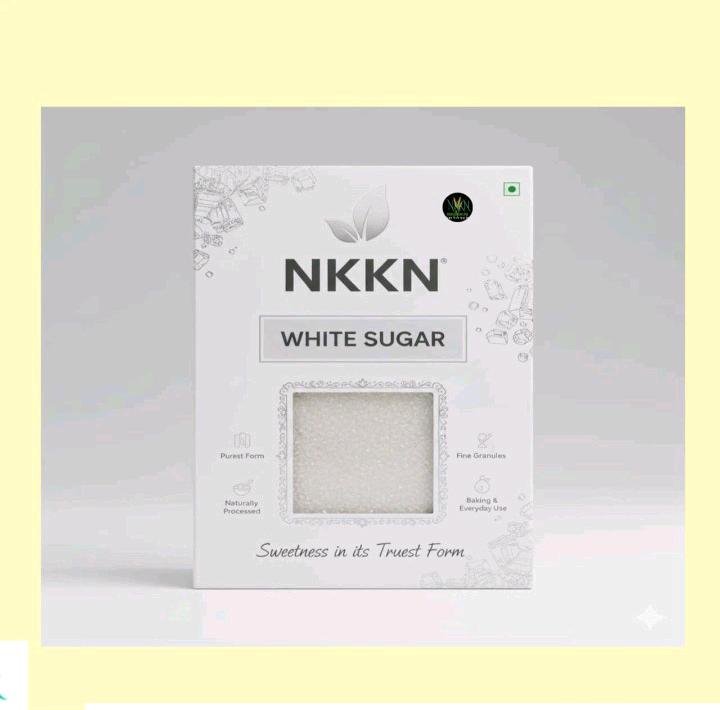
NKKN White Sugar

Introduction

White sugar is one of the most widely used sweeteners across the globe. From your morning tea to bakery products, desserts, beverages, and even packaged foods, white sugar plays a vital role in enhancing taste and texture. At NKKN, we believe in delivering high-quality, refined white sugar that meets modern culinary and industrial standards while maintaining purity and consistency.

In this detailed guide, we will explore everything you need to know about white sugar—its origin, manufacturing process, types, uses, nutritional aspects, and why NKKN stands out as a trusted brand in the sugar industry.

What is White Sugar?

NKKN White Sugar
NKKN White Sugar

White sugar, also known as refined sugar or table sugar, is a purified form of sucrose extracted primarily from sugarcane or sugar beet. It undergoes a refining process to remove impurities, molasses, and color, resulting in its characteristic white crystals.

The chemical composition of white sugar is simple: it consists of sucrose, a disaccharide made of glucose and fructose. This structure makes it a quick source of energy for the body.

The Origin of White Sugar

The history of sugar dates back thousands of years. Initially discovered in ancient India, sugar production gradually spread to Persia, the Middle East, and eventually Europe. Over time, advancements in technology transformed raw sugar into refined white sugar, making it more appealing and versatile.

Today, countries like India, Brazil, and Thailand are among the largest producers of sugar, with India being one of the top consumers as well.

How White Sugar is Made

The process of producing white sugar involves several stages to ensure purity and quality. At NKKN, each step is carefully monitored to maintain industry standards.

1. Harvesting

Sugarcane is harvested and transported to mills where processing begins immediately to retain freshness.

2. Extraction

The juice is extracted from sugarcane using crushing machines.

3. Clarification

The extracted juice is treated to remove impurities such as dirt, fibers, and unwanted particles.

4. Evaporation

The purified juice is heated to remove excess water, resulting in a thick syrup.

5. Crystallization

The syrup is further processed to form sugar crystals.

6. Centrifugation

Molasses is separated from the crystals using high-speed centrifuges.

7. Refining & Drying

The sugar is refined, dried, and cooled to produce sparkling white crystals ready for packaging.

Types of White Sugar

White sugar is available in different forms depending on crystal size and usage:

1. Granulated Sugar

NKKN
National Kisaan Khadhaya Nigam

The most common type used in households for cooking, baking, and beverages.

2. Caster Sugar

Finer than granulated sugar, ideal for baking and desserts.

3. Powdered Sugar (Icing Sugar)

Finely ground sugar used for frosting, icing, and decoration.

4. Pearl Sugar

Used as a topping in baked goods for added texture.

NKKN offers a range of refined sugar variants tailored for different applications.

Uses of White Sugar

White sugar is incredibly versatile and finds applications in multiple domains:

Household Use

  • Sweetening tea, coffee, and beverages
  • Cooking and baking
  • Making desserts like cakes, sweets, and puddings

Food Industry

  • Used in confectionery, chocolates, and candies
  • Essential ingredient in bakery products
  • Enhances flavor in processed foods

Beverage Industry

  • Carbonated drinks
  • Fruit juices
  • Energy drinks

Pharmaceutical Industry

  • Used in syrups and medicinal formulations

Preserving Food

Sugar acts as a preservative in jams, jellies, and pickles by inhibiting microbial growth.

Nutritional Value of White Sugar

White sugar provides energy but contains no essential nutrients like vitamins or minerals.

Per 100 grams:

  • Calories: 387 kcal
  • Carbohydrates: 100 g
  • Protein: 0 g
  • Fat: 0 g

Although it is calorie-dense, moderate consumption can be part of a balanced diet.

Benefits of White Sugar

While often criticized, white sugar does have certain benefits when consumed responsibly:

1. Quick Energy Source

Sucrose is rapidly absorbed, providing instant energy.

2. Enhances Taste

Improves the flavor of foods and beverages.

3. Preservative Properties

Helps in extending shelf life of food products.

4. Baking Essential

Contributes to texture, color, and moisture retention in baked goods.

Health Considerations

Excessive consumption of white sugar can lead to several health concerns:

  • Weight gain
  • Increased risk of diabetes
  • Dental issues
  • Heart-related problems

Recommended Intake

Health experts suggest limiting added sugar intake and maintaining a balanced diet.

White Sugar vs Other Sugars

TypeColorProcessing LevelFlavor
White SugarWhiteHighly refinedNeutral
Brown SugarBrownLess refinedSlight molasses
Raw SugarLightMinimally refinedMild flavor
Coconut SugarBrownNaturalCaramel-like

White sugar remains the most widely used due to its purity and versatility.

Why Choose NKKN White Sugar?

At NKKN, we focus on delivering premium-quality white sugar that meets both domestic and industrial requirements.

High Purity

Our sugar undergoes advanced refining processes to ensure maximum purity.

Consistent Quality

Uniform crystal size and texture for consistent performance.

Hygienic Packaging

Processed and packed under strict hygiene standards.

Trusted Brand

NKKN is committed to quality, reliability, and customer satisfaction.

Storage Tips for White Sugar

To maintain the quality of white sugar:

  • Store in a cool, dry place
  • Keep in an airtight container
  • Avoid exposure to moisture
  • Keep away from strong odors

Proper storage ensures longer shelf life and prevents clumping.

Industrial Importance of White Sugar

White sugar is a key ingredient in many industries:

  • Food processing
  • Beverage manufacturing
  • Pharmaceuticals
  • Bakery and confectionery

Its uniformity and purity make it ideal for large-scale production.

Environmental and Sustainability Aspects

Modern sugar production is becoming more sustainable:

  • Efficient water usage
  • Recycling of by-products like bagasse
  • Eco-friendly manufacturing practices

NKKN supports sustainable practices to reduce environmental impact.

Future of White Sugar Industry

The demand for white sugar continues to grow due to:

  • Increasing population
  • Rising food consumption
  • Expansion of the food processing industry

Innovations in production and packaging will further enhance quality and efficiency.

Conclusion

White sugar remains an essential ingredient in everyday life, offering sweetness, versatility, and functionality across multiple industries. While moderation is key to maintaining health, its role in cooking, baking, and food preservation is unmatched.

With NKKN White Sugar, you get a product that combines purity, quality, and reliability. Whether for home use or industrial applications, NKKN ensures that every grain delivers excellence.

FAQs

1. Is white sugar vegan?

Yes, most white sugar is vegan, though processing methods may vary.

2. Can white sugar expire?

White sugar has a long shelf life if stored properly.

3. Is white sugar better than brown sugar?

Both have similar calorie content; the choice depends on taste and usage.

4. How much sugar is safe daily?

Moderation is key—follow dietary guidelines for added sugar intake.

5. Why does sugar clump?

Moisture exposure causes sugar to clump; store it in a dry place.

NKKN – Delivering Sweetness with Quality You Can Trust.

Molasses Sugar The Nutrient-Rich Sweetener by NKKN

Molasses Sugar

Introduction

In a world where health awareness is steadily rising, people are becoming more selective about what they consume—especially when it comes to sugar. Traditional refined sugar, while widely used, offers little nutritional value and is often linked to various health concerns when consumed excessively. This has led to a growing interest in natural and nutrient-rich alternatives.

One such alternative that is gaining attention is Molasses Sugar—a rich, flavorful, and mineral-packed sweetener derived during the sugar production process. At NKKN, we bring you premium-quality Molasses Sugar that not only satisfies your sweet cravings but also adds a touch of health and authenticity to your daily diet.

In this comprehensive guide, we’ll explore what Molasses Sugar is, how it is made, its nutritional benefits, uses, and why NKKN Molasses Sugar is a superior choice.

What is Molasses Sugar?

NKKN Molasses Sugar
NKKN Molasses Sugar

Molasses Sugar is a natural sweetener that contains molasses—a thick, dark syrup that remains after extracting sugar from sugarcane or sugar beets. Unlike refined white sugar, which is stripped of all nutrients, Molasses Sugar retains a portion of this nutrient-rich syrup.

It has a deep brown color, a strong aroma, and a rich, slightly bittersweet taste that enhances both sweet and savory dishes.

Understanding Molasses

Molasses is the key component that makes this sugar unique. It is created during the sugar refining process and is categorized into different types:

1. Light Molasses

  • Produced from the first boiling
  • Mild flavor and lighter color

2. Dark Molasses

  • From the second boiling
  • Stronger taste and darker color

3. Blackstrap Molasses

  • From the third boiling
  • Most concentrated and nutrient-rich

NKKN Molasses Sugar is crafted using carefully selected molasses to ensure optimal taste and nutritional value.

Production Process of NKKN Molasses Sugar

At NKKN, quality is our priority. Our Molasses Sugar is produced through a carefully controlled process:

  1. Extraction of Juice – Fresh sugarcane is crushed to extract juice
  2. Boiling Process – Juice is heated to form sugar crystals
  3. Molasses Retention – Unlike refined sugar, molasses is retained
  4. Drying & Granulation – Sugar is dried and processed into granules
  5. Packaging – Packed hygienically to preserve freshness

This process ensures that the natural goodness of molasses remains intact.

Nutritional Profile of Molasses Sugar

Molasses Sugar stands out due to its rich nutritional content. Unlike white sugar, it provides more than just calories.

Key Nutrients Include:

  • Iron
  • Calcium
  • Magnesium
  • Potassium
  • Vitamin B6
  • Antioxidants

These nutrients play an essential role in maintaining overall health.

Health Benefits of Molasses Sugar

1. Rich in Iron

Molasses Sugar is an excellent source of iron, which helps in preventing anemia and supports healthy blood circulation.

2. Supports Bone Health

Calcium and magnesium contribute to strong bones and teeth.

3. Improves Energy Levels

The natural sugars provide a quick yet sustained energy boost.

4. Aids Digestion

Molasses has natural compounds that support digestion and gut health.

NKKN
National Kisaan Khadhaya Nigam

5. Heart Health Support

Potassium helps regulate blood pressure and supports heart function.

6. Antioxidant Properties

Helps fight free radicals and reduces oxidative stress.

Molasses Sugar vs Refined Sugar

FeatureNKKN Molasses SugarRefined Sugar
Nutritional ValueHighNone
ProcessingMinimalHighly processed
ColorDark brownWhite
TasteRich, complexPlain sweet
Health ImpactModerate & beneficialHarmful in excess

This comparison highlights why Molasses Sugar is a smarter alternative.

Culinary Uses of Molasses Sugar

Molasses Sugar is versatile and enhances the flavor of many dishes.

1. Beverages

  • Tea and coffee
  • Warm milk
  • Herbal drinks

2. Baking

  • Gingerbread
  • Cakes and cookies
  • Brownies

3. Cooking

  • Barbecue sauces
  • Marinades
  • Glazes

4. Traditional Sweets

  • Indian mithai
  • Halwa
  • Laddoos

Its deep flavor makes it perfect for rich and hearty recipes.

Why Choose NKKN Molasses Sugar?

Premium Quality

We use the finest sugarcane and molasses.

Nutrient Retention

Our process ensures maximum nutrient preservation.

No Chemicals

Free from harmful additives and bleaching agents.

Hygienic Packaging

Maintains freshness and safety.

Trusted Brand

NKKN stands for quality, purity, and customer satisfaction.

How to Use Molasses Sugar in Daily Life

Switching to Molasses Sugar is easy:

  • Replace white sugar in beverages
  • Use in baking recipes
  • Add to oatmeal or cereals
  • Use in traditional dishes

Start small and gradually make it part of your daily routine.

Who Should Use Molasses Sugar?

Ideal For:

  • Health-conscious individuals
  • People with iron deficiency
  • Fitness enthusiasts
  • Families seeking natural alternatives

Use With Caution:

  • Diabetics (consult a doctor)
  • People on strict calorie control

Storage Tips

To maintain quality:

  • Store in an airtight container
  • Keep in a cool, dry place
  • Avoid moisture

Proper storage ensures long shelf life and consistent quality.

Environmental Benefits

NKKN is committed to sustainability:

  • Eco-friendly sourcing
  • Minimal waste production
  • Support for local farmers

Choosing Molasses Sugar also supports a healthier planet.

Market Trends and Demand

The demand for natural sweeteners is increasing due to:

  • Rising health awareness
  • Shift towards organic products
  • Avoidance of refined sugar

Molasses Sugar is becoming a popular choice worldwide.

Common Myths About Molasses Sugar

Myth 1: It tastes too strong

Reality: It adds a rich and pleasant flavor.

Myth 2: It is not suitable for baking

Reality: It works perfectly in baking recipes.

Myth 3: It is just like brown sugar

Reality: Molasses Sugar contains more nutrients and deeper flavor.

Tips for Reducing Sugar Intake

Even with healthier options:

  • Use smaller quantities
  • Combine with natural sweeteners like honey
  • Avoid processed foods
  • Read labels carefully

Balance is the key to a healthy lifestyle.

Customer Feedback

NKKN customers love Molasses Sugar for:

  • Its unique taste
  • Health benefits
  • Natural quality
  • Versatility in cooking

Positive reviews continue to build trust in our brand.

The Future of Sweeteners

The future belongs to natural and functional foods. Molasses Sugar is part of this shift, offering both taste and nutrition.

NKKN aims to lead this transformation by providing innovative and health-focused products.

Conclusion

Molasses Sugar is more than just a sweetener—it is a nutrient-rich, flavorful, and healthier alternative to refined sugar. With its impressive nutritional profile and versatile uses, it is an excellent addition to any modern kitchen.

At NKKN, we are dedicated to delivering premium-quality products that promote better living. Our Molasses Sugar is crafted with care, ensuring you get the best of taste and health in every spoon.

Make the switch today and embrace a sweeter, healthier lifestyle with NKKN Molasses Sugar.

FAQs

Q1: Is Molasses Sugar healthy?

Yes, it contains essential minerals and is less processed than white sugar.

Q2: Can I use it daily?

Yes, but in moderation.

Q3: Is it good for anemia?

Yes, due to its iron content.

Q4: Does it taste different from white sugar?

Yes, it has a richer and deeper flavor.

Q5: Where can I buy NKKN Molasses Sugar?

Available through NKKN’s official channels and trusted sellers.

Sandeng Sugar A Natural Sweetener Revolution by NKKN

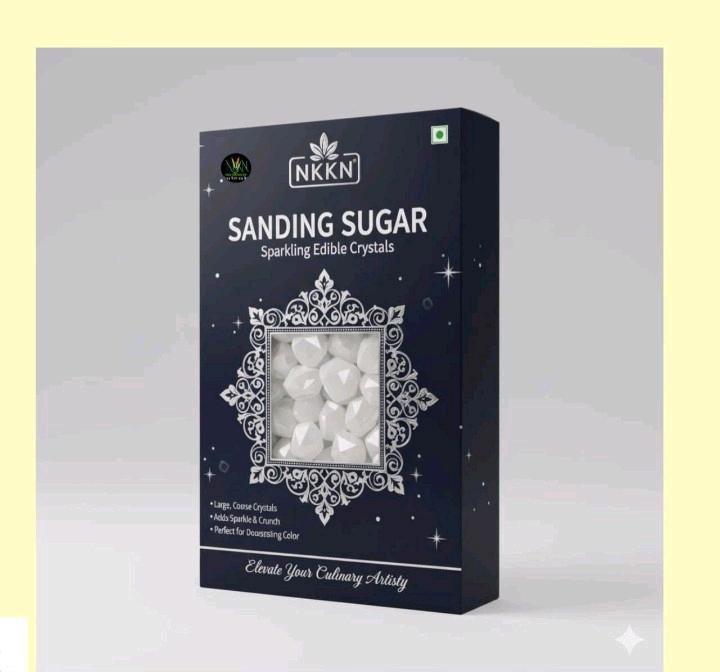
NKKN Sandeng Sugar

Introduction

In today’s health-conscious world, people are constantly searching for better alternatives to refined sugar. While traditional sweeteners dominate the market, emerging natural sugars are gaining attention for their unique properties and potential health benefits. One such rising star is Sandeng Sugar—a lesser-known yet powerful natural sweetener.

At NKKN, we believe in offering high-quality, natural, and health-friendly products that align with modern lifestyles. Sandeng Sugar represents our commitment to innovation, purity, and wellness. This blog explores everything you need to know about Sandeng Sugar—its origins, benefits, uses, and why it deserves a place in your daily diet.

What is Sandeng Sugar?

Sandeng Sugar is a naturally derived sweetener extracted from plant-based sources. Unlike refined white sugar, which undergoes extensive chemical processing, Sandeng Sugar is minimally processed to retain its natural nutrients and flavor.

It has a mild caramel-like taste, a soft texture, and a subtle aroma that enhances the overall experience of food and beverages. Its unique composition makes it a healthier alternative for those looking to reduce their intake of highly processed sugars.

NKKN Sandeng Sugar
NKKN Sandeng Sugar

Origin and Production Process

Sandeng Sugar is typically sourced from natural plant extracts, often derived from specific tree saps or botanical sources. The production process involves:

  1. Extraction – Collecting raw sap or plant juice.
  2. Filtration – Removing impurities naturally.
  3. Slow Heating – Evaporating water without destroying nutrients.
  4. Crystallization – Forming sugar crystals or granules.

At NKKN, we ensure that Sandeng Sugar is produced using eco-friendly and hygienic methods. Our focus is on preserving the natural goodness while maintaining high quality standards.

Nutritional Profile of Sandeng Sugar

One of the key reasons Sandeng Sugar is gaining popularity is its improved nutritional profile compared to refined sugar.

Key Nutrients Include:

  • Natural carbohydrates
  • Trace minerals (iron, calcium, potassium)
  • Antioxidants
  • Small amounts of vitamins

Unlike refined sugar, which provides empty calories, Sandeng Sugar offers additional nutrients that support overall health.

Health Benefits of Sandeng Sugar

1. Lower Processing, Higher Purity

Sandeng Sugar is less processed than white sugar, meaning it retains more natural nutrients. This makes it a better choice for those seeking clean and natural foods.

2. Gentle on Blood Sugar Levels

While it is still a form of sugar, Sandeng Sugar may have a slightly lower glycemic impact compared to refined sugar, helping to avoid sudden spikes in blood sugar.

3. Rich in Antioxidants

The presence of antioxidants helps combat oxidative stress and supports overall health.

4. Supports Digestion

Natural sugars like Sandeng Sugar are easier for the body to digest compared to chemically refined alternatives.

5. Better Energy Source

It provides a steady release of energy, making it suitable for daily consumption in moderate amounts.

Sandeng Sugar vs Refined Sugar

FeatureSandeng Sugar (NKKN)Refined Sugar
ProcessingMinimalHighly processed
NutrientsContains mineralsNo nutrients
TasteRich, natural flavorPlain sweet
Health ImpactModerateHigh risk with excess use
ColorLight brown to goldenWhite

This comparison clearly shows why more people are shifting towards natural alternatives like Sandeng Sugar.

Culinary Uses of Sandeng Sugar

Sandeng Sugar is incredibly versatile and can be used in various recipes:

1. Beverages

  • Tea and coffee
  • Smoothies
  • Herbal drinks

2. Baking

  • Cakes
  • Cookies
  • Muffins

3. Cooking

  • Sauces
  • Curries
  • Glazes

4. Desserts

  • Traditional sweets
  • Puddings
  • Ice creams

Its unique flavor enhances dishes, giving them a richer and more natural sweetness.

NKKN
National Kisaan Khadhaya Nigam

Why Choose NKKN Sandeng Sugar?

At NKKN, we prioritize quality, purity, and customer satisfaction. Here’s why our Sandeng Sugar stands out:

Premium Quality

We source only the best raw materials to ensure superior taste and nutrition.

Chemical-Free Processing

No harmful chemicals or additives are used in production.

Hygienic Packaging

Our products are packaged under strict hygiene standards to maintain freshness.

Sustainable Practices

We follow eco-friendly methods to support both health and the environment.

How to Use Sandeng Sugar in Daily Life

Switching to Sandeng Sugar is simple and seamless:

  • Replace white sugar in tea or coffee.
  • Use it in baking recipes as a one-to-one substitute.
  • Add it to breakfast cereals or oats.
  • Use in homemade desserts for a healthier twist.

Start with small changes and gradually make it a part of your routine.

Is Sandeng Sugar Suitable for Everyone?

Sandeng Sugar is generally safe for most people when consumed in moderation. However:

  • Diabetics should consult a doctor before use.
  • Weight-conscious individuals should monitor intake.
  • Children can consume it as a better alternative to refined sugar.

Moderation is key, even with natural sweeteners.

Storage and Shelf Life

To maintain quality, follow these storage tips:

  • Store in an airtight container.
  • Keep in a cool, dry place.
  • Avoid moisture exposure.

When stored properly, Sandeng Sugar has a long shelf life without losing its flavor or quality.

The Future of Natural Sweeteners

As awareness about health and nutrition grows, the demand for natural sweeteners is increasing rapidly. Sandeng Sugar is part of this new wave of healthier alternatives.

Consumers are now:

  • Reading labels carefully
  • Avoiding refined ingredients
  • Choosing natural and organic options

NKKN is proud to be at the forefront of this transformation, bringing innovative products like Sandeng Sugar to modern households.

Common Myths About Natural Sugars

Myth 1: Natural sugar means zero calories

Reality: All sugars contain calories, but natural ones offer additional nutrients.

Myth 2: They can be consumed unlimitedly

Reality: Moderation is always important.

Myth 3: Taste is compromised

Reality: Sandeng Sugar actually enhances flavor with its rich profile.

Customer Experience with NKKN Sandeng Sugar

Customers who switch to NKKN Sandeng Sugar often report:

  • Better taste in beverages
  • Improved digestion
  • Satisfaction with natural ingredients
  • A sense of healthier living

Positive feedback continues to drive our mission forward.

Tips for Reducing Sugar Intake

Even when using healthier alternatives like Sandeng Sugar, balance is important:

  • Gradually reduce sweetness levels
  • Use natural flavors like cinnamon or vanilla
  • Avoid sugary processed foods
  • Stay hydrated

These habits contribute to long-term wellness.

Conclusion

Sandeng Sugar is more than just a sweetener—it’s a step toward healthier living. With its natural origin, better nutritional value, and versatile usage, it stands out as a superior alternative to refined sugar.

At NKKN, we are committed to bringing you products that combine taste, health, and quality. Sandeng Sugar reflects our dedication to innovation and well-being.

Make the switch today and experience sweetness the natural way—with NKKN Sandeng Sugar.

FAQs

Q1: Is Sandeng Sugar better than white sugar?

Yes, it is less processed and contains trace nutrients, making it a healthier option.

Q2: Can I use it in baking?

Absolutely, it works well in most baking recipes.

Q3: Does it taste different?

Yes, it has a richer, slightly caramel-like flavor.

Q4: Is it safe for daily use?

Yes, when consumed in moderation.

Q5: Where can I buy NKKN Sandeng Sugar?

You can purchase it through NKKN’s official channels and trusted retailers.

Brown Sugar The Rich Natural Sweetener by NKKN

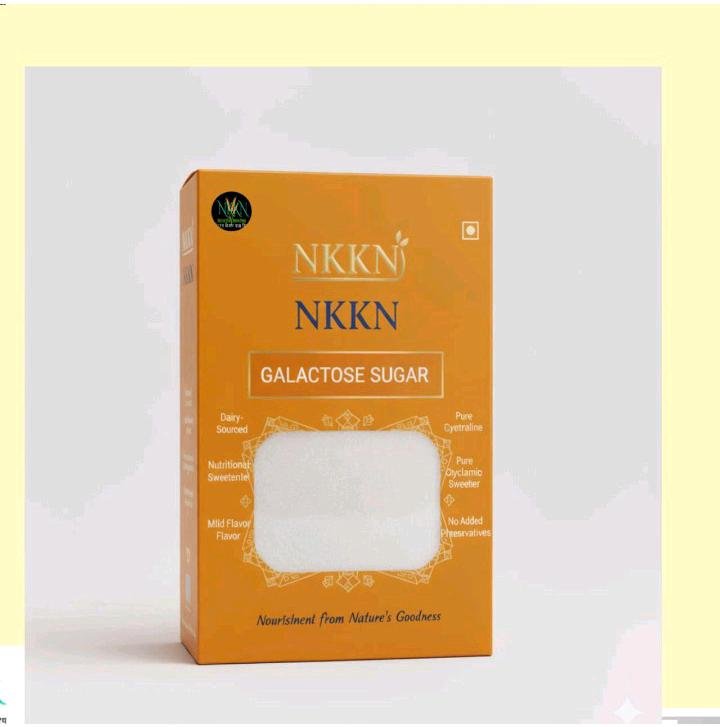
NKKN Lactose Sugar

Introduction

Sugar is an essential part of our daily lives, adding sweetness and flavor to everything from morning tea to delicious desserts. Among the many types of sugar available, brown sugar stands out for its rich color, deep flavor, and natural appeal.

At NKKN, we believe that sweeteners should not only enhance taste but also offer quality and authenticity. Brown sugar is a perfect example of a traditional yet versatile ingredient that has been used for generations in kitchens around the world.

In this blog, we will explore everything about brown sugar—what it is, how it’s made, its types, benefits, uses, and why it continues to be a preferred choice for many.

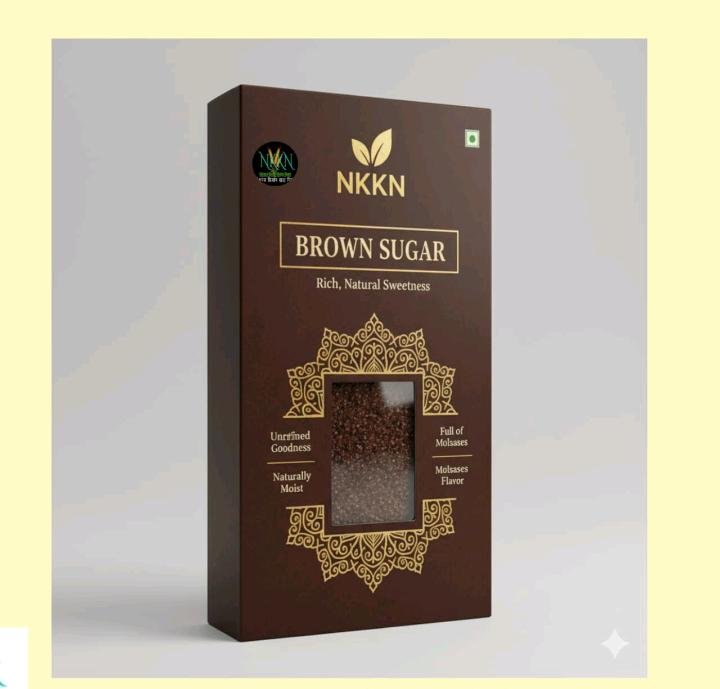
NKKN Brown Sugar.
NKKN Brown Sugar.

What is Brown Sugar?

Brown sugar is a type of sugar that contains molasses, which gives it its characteristic brown color, moist texture, and rich flavor. Unlike refined white sugar, brown sugar retains some of the natural molasses content or has molasses added back after processing.

This molasses content is what makes brown sugar unique. It adds a slightly caramel-like taste and makes the sugar softer and more flavorful compared to regular sugar.

How is Brown Sugar Made?

Understanding the process helps you appreciate the quality behind every grain of NKKN Brown Sugar.

Natural Production Process:

  1. Extraction from Sugarcane or Sugar Beet
    The juice is extracted from the plant.
  2. Boiling and Crystallization
    The juice is heated to form sugar crystals.
  3. Separation
    Molasses is either partially retained or removed.
  4. Final Product Formation
  • Natural brown sugar: retains molasses
  • Refined brown sugar: molasses added back to white sugar

At NKKN, the focus is always on maintaining purity and authentic flavor during production.

Types of Brown Sugar

Brown sugar comes in different varieties based on molasses content.

1. Light Brown Sugar

  • Contains less molasses
  • Mild flavor
  • Perfect for baking and light desserts

2. Dark Brown Sugar

  • Higher molasses content
  • Strong, rich flavor
  • Ideal for gingerbread, sauces, and marinades

3. Natural Brown Sugar

  • Less processed
  • Retains natural molasses
  • More wholesome taste

4. Demerara and Muscovado Sugar

  • Coarser texture
  • Strong flavor
  • Often used in gourmet cooking
NKKN
National Kisaan Khadhaya Nigam

Nutritional Value of Brown Sugar

Brown sugar is similar to white sugar in calorie content but contains trace minerals due to molasses.

Approximate Nutritional Values (per 100g):

  • Calories: 380 kcal
  • Carbohydrates: 98g
  • Sugars: 97g
  • Calcium: Small amount
  • Iron: Trace
  • Potassium: Trace

While the mineral content is not very high, it is still slightly better than refined white sugar.

Benefits of Brown Sugar

1. Rich Flavor Profile

Brown sugar adds depth and complexity to recipes with its caramel-like taste.

2. Moisture Retention

It helps baked goods stay soft and moist for longer.

3. Contains Trace Minerals

Thanks to molasses, it contains small amounts of calcium, iron, and potassium.

4. Natural Appeal

Less processed varieties make it a more natural option compared to refined sugar.

5. Versatile Usage

Suitable for beverages, desserts, and savory dishes.

Brown Sugar vs White Sugar

Understanding the difference helps in choosing the right sweetener.

FeatureBrown SugarWhite Sugar
ColorBrownWhite
FlavorRich, caramelNeutral sweet
MoistureHighLow
ProcessingLess refinedHighly refined
MineralsTrace presentNone

Brown sugar offers a more complex taste and texture, making it ideal for specific recipes.

Uses of Brown Sugar

Brown sugar is incredibly versatile and widely used in cooking and baking.

1. Baking

Brown sugar is essential in:

  • Cookies
  • Cakes
  • Muffins
  • Brownies

It enhances flavor and keeps baked goods moist.

2. Beverages

Used in:

  • Tea and coffee
  • Milk-based drinks
  • Smoothies

It adds a warm, rich sweetness.

3. Cooking

Brown sugar is widely used in:

  • Sauces
  • Marinades
  • Glazes

It balances flavors in savory dishes.

4. Desserts

Perfect for:

  • Caramel dishes
  • Puddings
  • Ice creams

5. Traditional Recipes

Used in many Indian sweets and traditional dishes for its natural taste.

Health Perspective: Is Brown Sugar Better?

Brown sugar is often considered healthier than white sugar, but the difference is minimal.

What You Should Know:

  • Slightly more nutrients than white sugar
  • Same calorie range
  • Should still be consumed in moderation

At NKKN, we promote mindful consumption along with quality ingredients.

Brown Sugar in Daily Life

Brown sugar fits easily into everyday routines.

Morning

Add it to tea or coffee for a richer taste.

Cooking

Use it in curries or sauces for depth.

Baking

Make soft and flavorful desserts.

Storage and Shelf Life

Brown sugar requires proper storage due to its moisture content.

Storage Tips:

  • Keep in an airtight container
  • Store in a cool, dry place
  • Prevent exposure to air to avoid hardening

Shelf Life:

Brown sugar can last long if stored properly, but it may harden over time.

Why Choose NKKN Brown Sugar?

At NKKN, quality is never compromised.

Our Promise:

  • Pure and hygienic processing
  • Rich flavor and texture
  • Consistent quality
  • Safe packaging

We aim to deliver sweetness you can trust.

Common Myths About Brown Sugar

Myth 1: Brown sugar is completely healthy

Reality: It should still be consumed in moderation.

Myth 2: It is very different from white sugar

Reality: Nutritional differences are minimal.

Myth 3: Brown sugar is unrefined

Reality: Some types are refined with added molasses.

Tips for Using Brown Sugar

  • Use dark brown sugar for stronger flavor
  • Mix with white sugar for balanced sweetness
  • Ideal for chewy cookies
  • Use in marinades for caramelization

Environmental and Cultural Importance

Brown sugar has deep roots in traditional food cultures.

  • Used in Indian sweets
  • Supports local sugar industries
  • Often less processed than refined sugar

Future of Brown Sugar

With growing awareness about natural ingredients:

  • Demand for less processed sugar is increasing
  • Consumers prefer richer flavors
  • Brown sugar is gaining popularity in health-conscious markets

Brands like NKKN are leading the way in delivering quality sweeteners.

Conclusion

Brown sugar is more than just a sweetener—it is a flavorful, versatile, and culturally significant ingredient. Its rich taste, moist texture, and wide range of uses make it a staple in kitchens worldwide.

At NKKN, we are proud to offer brown sugar that meets high standards of quality and taste. Whether you’re baking your favorite dessert or preparing a savory dish, brown sugar adds a touch of warmth and richness that enhances every bite.

Choose wisely, consume mindfully, and enjoy the natural sweetness that brown sugar brings to your life.